MVP in progress · Beta users and early partners invited

Understanding night-shift health
before burnout escalates

Shft Night is building a health companion for night-shift professionals and a prevention layer for institutions. We help surface fatigue, recovery, and burnout patterns earlier - before turnover becomes the outcome.

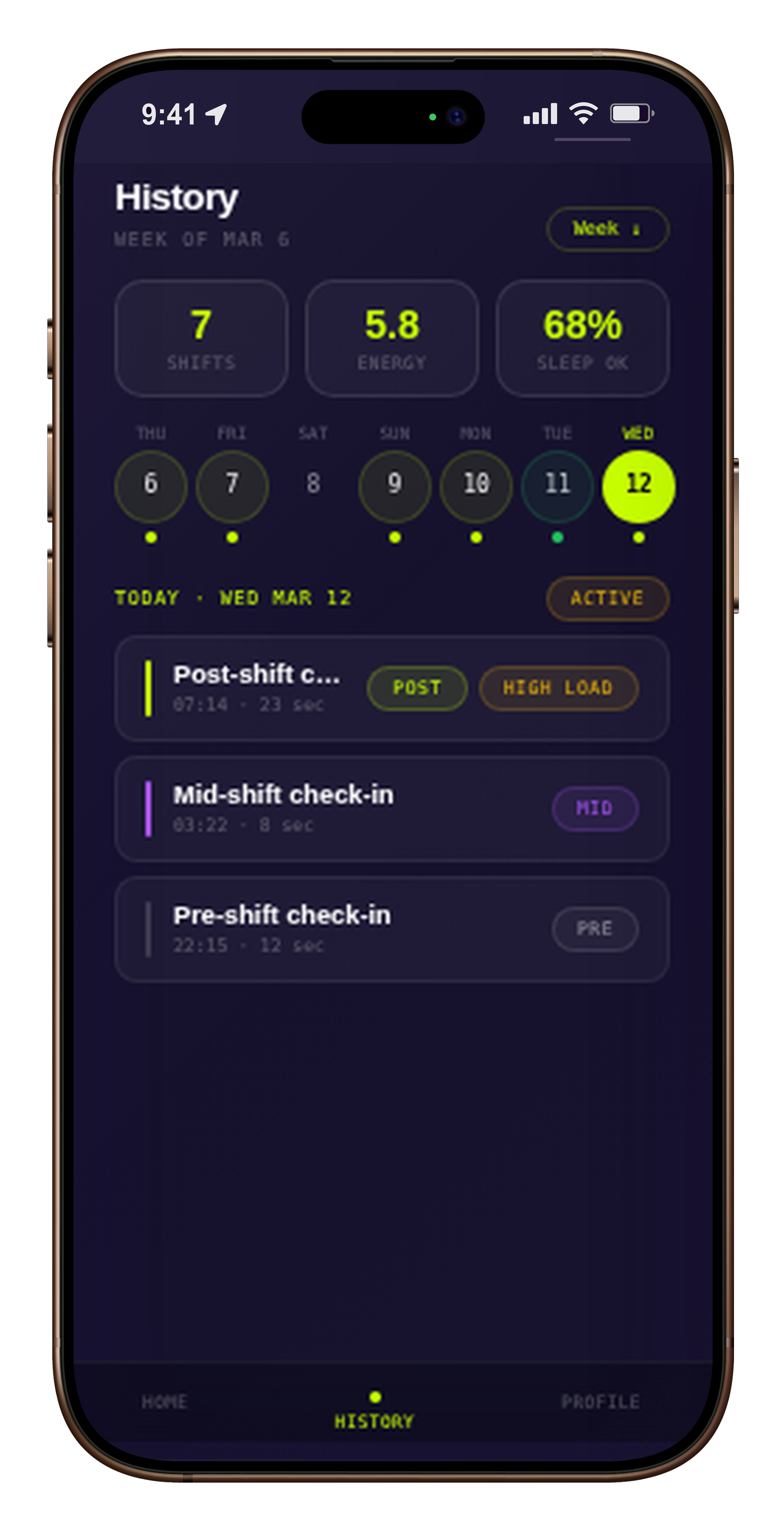
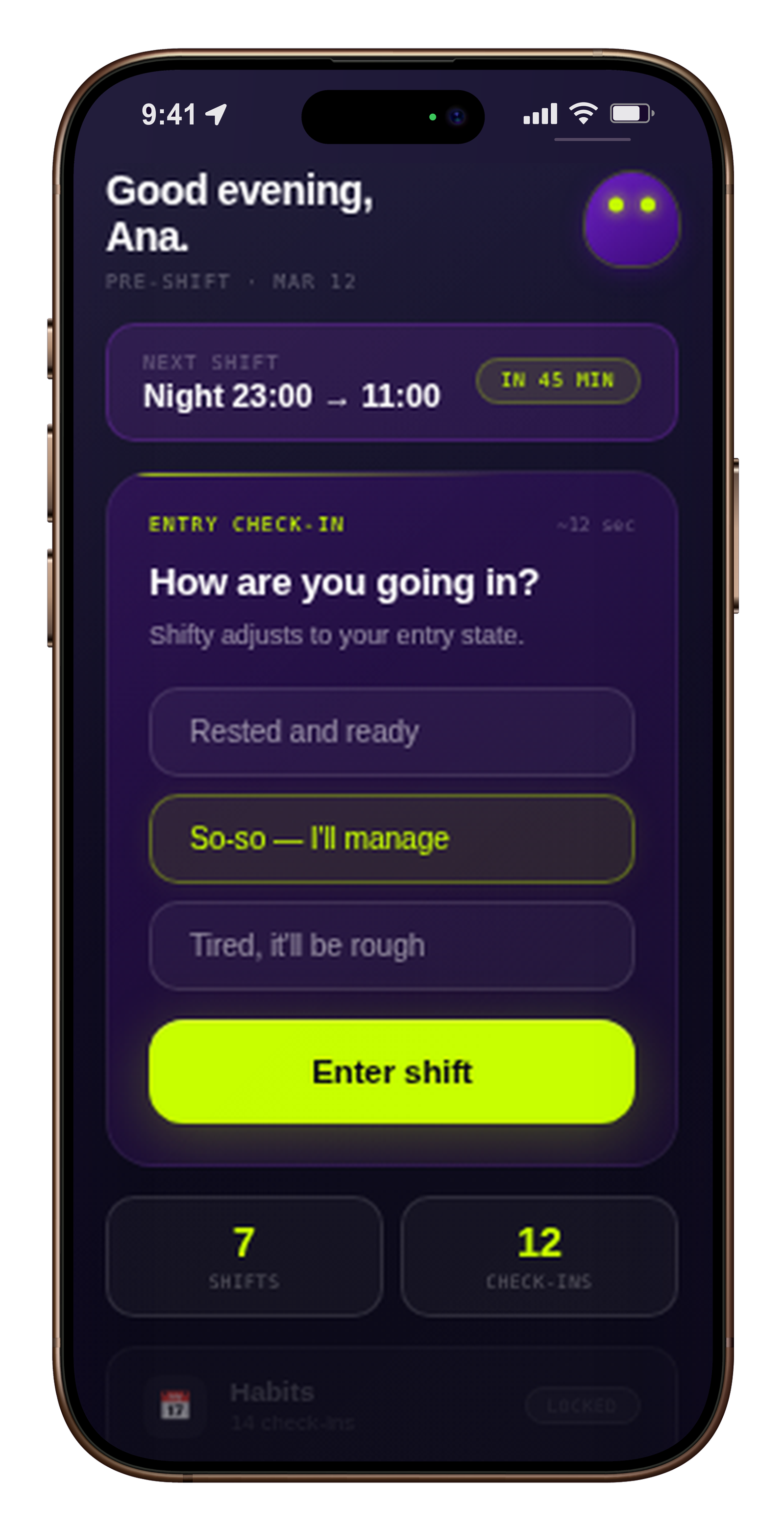
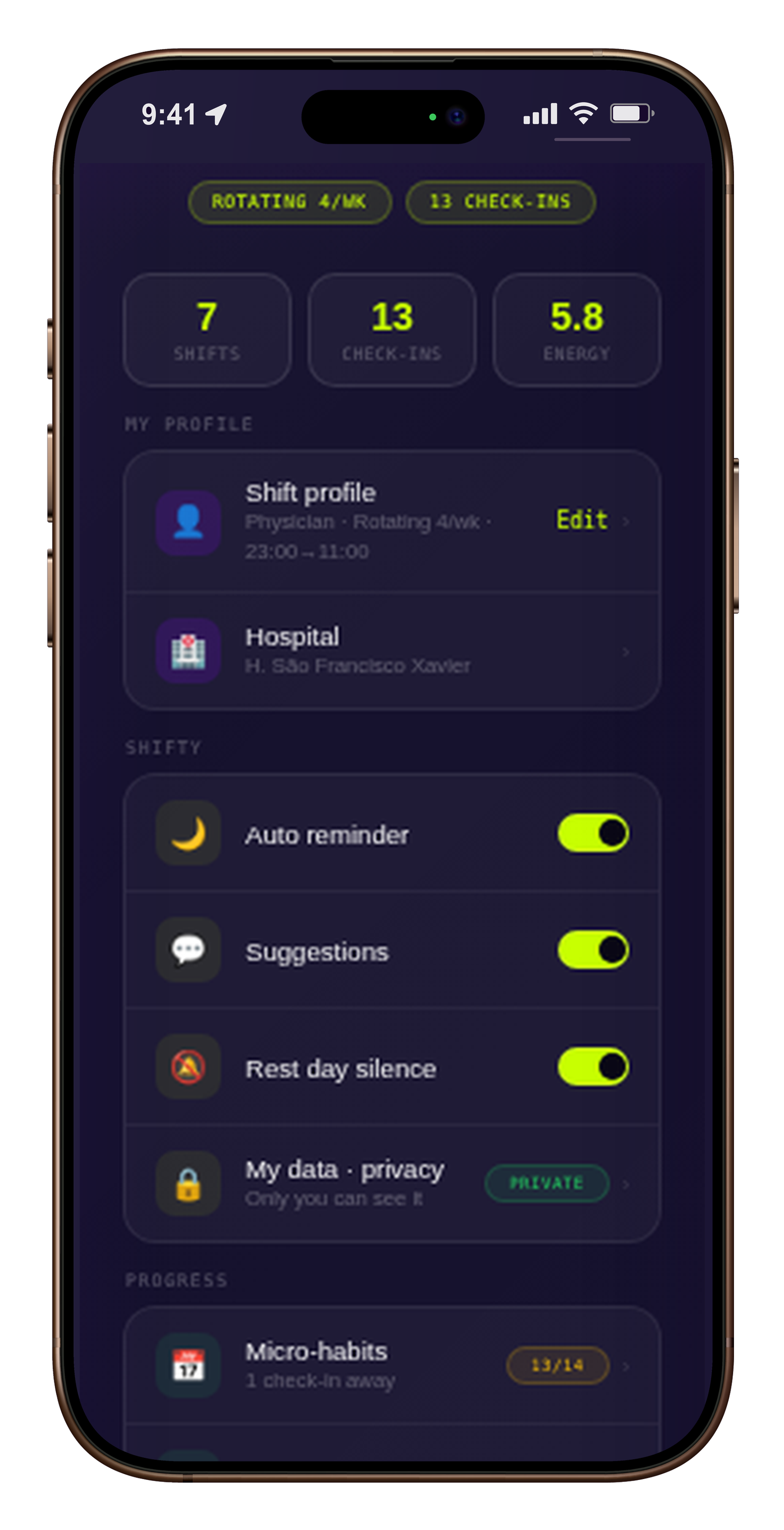
Shft Night app screen preview
The Problem

Burnout is expensive long before someone leaves.

Across advanced healthcare systems, burnout is estimated to cost tens of billions annually, with workforce attrition and reduced productivity as primary drivers.

The issue is not a lack of resilience. It is a lack of tools that understand night-shift physiology early enough to make prevention possible.

Indicative framing based on published occupational health, sleep, and workforce retention research. Economic burden varies by system and methodology.

🔥
Higher burnout risk in rotating night-shift workers
💸
100B
Estimated yearly workforce strain linked to burnout, attrition, and lost productivity
🏥
40%
Nurse turnover can be traced back to working-condition pressure
Months earlier
The early signals usually appear well before someone quits
The Product

What we are building for
night-shift health.

Shft Night combines lightweight shift-based check-ins, pattern tracking, and evidence-led guidance into one system. The aim is to help workers understand what is happening earlier, and help institutions explore what earlier prevention could look like.

Shft Night app screen preview

Shift-based check-ins

Short prompts before, during, and after shifts capture recovery, sleep, energy, and mental load without adding friction to an already demanding schedule.

📈

Pattern tracking over time

The app turns repeated check-ins into a clearer picture of how night work is affecting someone week to week, not just how they feel in a single moment.

🌙

Guidance built for night work

Shifty offers calm, practical, evidence-led support based on shift timing and emerging patterns rather than generic wellness prompts built for day workers.

🔒

Privacy-first architecture

Personal wellbeing data stays protected. Individual check-ins are not designed to become an employer monitoring tool.

🏥

Future institutional insight

As we learn more, Shft Night can help explore how aggregated signals and prevention frameworks might support HR and occupational health teams.

🧪

Built through the MVP phase

We are testing the product with real night-shift professionals first, so the roadmap is shaped by lived reality rather than assumptions from outside the workforce.

For You

Two pathways, one shared problem.

Shft Night is being built for the people living night work directly, and for the organisations trying to support them better before burnout turns into turnover.

Individuals

If you work nights in healthcare

Use Shft Night to understand how your shifts are affecting sleep, recovery, and energy over time, with support designed around the reality of night work.

  • Track fatigue, sleep, energy, and mental load across shifts
  • Receive lightweight guidance that fits actual shift timing
  • Join the beta and help shape the product from the ground up

Institutions

If you support a night-shift workforce

Work with us early to understand what responsible prevention infrastructure could look like for teams dealing with chronic fatigue, burnout risk, and avoidable turnover.

  • Explore early signals behind burnout and workforce strain
  • Help shape future prevention frameworks and partner workflows
  • Start conversations around wellbeing, retention, and compliance
Dual Signup

Join as a beta user
or early partner.

We are opening two entry points during the MVP phase: one for night-shift professionals who want early access, and one for partners or investors who want to shape the institutional side early.

Key Stats

The problem is large, the cost is structural, and the opportunity for earlier prevention is real.

20M+
Night-shift healthcare workers across Europe
100B
Annual workforce strain linked to burnout, attrition, and lost productivity
GDPR-first
Privacy-led product direction with no employer access to personal check-ins
FOR INSTITUTIONS & EARLY PARTNERS

Understanding your night-shift workforce - before burnout escalates.

Burnout doesn’t start when a nurse quits. It begins months, sometimes years - earlier. Shft Night is currently working with night-shift professionals to better understand these patterns and co-design tools with institutions to support earlier intervention.

  • Understand early signals behind night-shift fatigue, burnout and turnover
  • Explore how aggregated wellbeing data could support HR decision-making
  • Contribute to the design of future prevention frameworks tailored to your teams
  • Stay ahead of upcoming approaches to workforce wellbeing and compliance

Protocol Design

Custom night-shift wellbeing protocol for your institution. Evidence-based, co-designed with your nursing leadership.

Team Certification

Accredited circadian health training for ward managers and occupational health staff. CPD-eligible.

App for Your Workforce

Subsidised app access for your night-shift staff. Full privacy guarantees. No employer data access.

About Shft Night

Built for the people who keep Europe's health systems running at night.

Across Europe, millions of healthcare workers keep hospitals moving through the night, yet night work is still treated like a scheduling issue instead of a long-term health risk. The result is burnout, turnover, and an estimated €100B per year in workforce strain. Shft Night exists to help change that earlier.

Shft Night app screen preview
"Prevention infrastructure for
the workforce hospitals depend on at 3am."

We are building Shft Night with a simple belief: burnout should be understood before it escalates into resignation, absence, or unsafe staffing pressure. We start with night-shift professionals themselves, then translate those insights into tools and frameworks institutions can use responsibly.

The Team

Built with product, communications,
and institutional trust in mind.

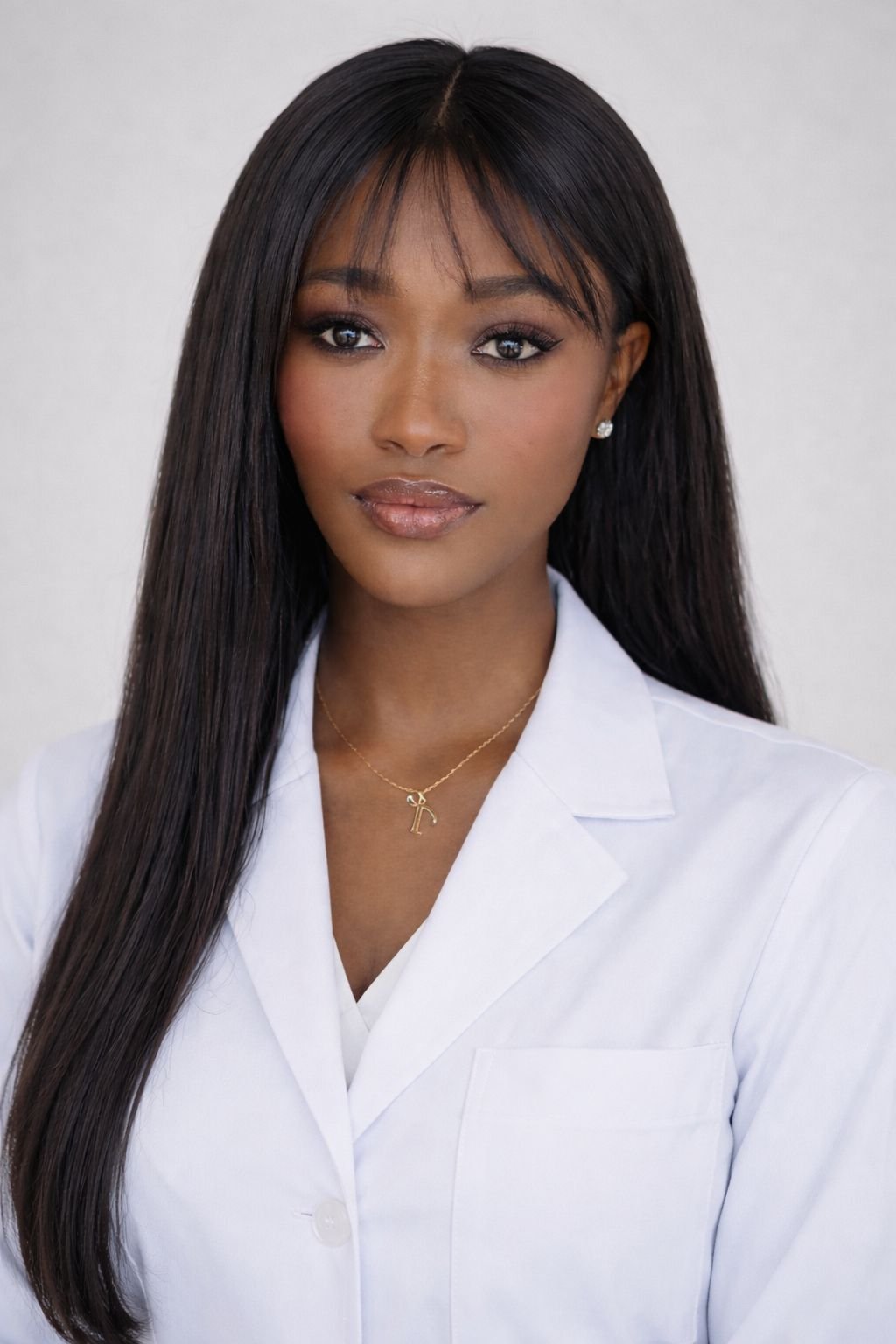
Portrait of Dulce Gomes
Dulce Gomes
Founder · Product & Strategy

International Relations graduate who experienced night shifts firsthand and couldn't ignore what she saw.

Months of research into the patterns, habits, and structural conditions that quietly erode the health of night-shift workers led to one conclusion: wellness tools aren't enough.

Shft Night exists to drive structural change. Dulce leads product direction and platform architecture with a multidisciplinary lens, combining international relations, technology, and systems thinking to build something with real institutional weight.

Her mission is to create new ways to navigate the night, and new standards for how healthcare institutions manage the people who keep them running.

Portrait of Praise Emmanuel
Praise Emmanuel
Co-Founder · Narrative & Communications

Medical and computer science student who believes the most powerful thing technology can do is make healthcare more human.

Praise brings clinical understanding and a deep commitment to health equity to everything Shft Night communicates, translating complex research into messaging that workers trust and institutions take seriously. Her work sits at the intersection of medicine, advocacy, and community building, with a particular focus on underserved populations.

At Shft Night, she shapes the voice of a platform that doesn't just inform; it bridges the gap between science and the people.

How we build

The principles behind
every decision.

01
Evidence before hype

We build from occupational health, sleep science, and real-world workforce insight. Clear claims earn more trust than inflated ones.

02
Night-shift reality first

The product has to make sense at 3am, on a short break, under pressure. If it only works in theory, it does not work.

03
Build with workers

We are learning directly from night-shift professionals and using that feedback to shape the product, language, and future prevention tools.

04
Privacy by design

Sensitive wellbeing signals require structural safeguards. Trust has to be built into the architecture, not added later as a promise.

05
Institutional value without surveillance

We care about prevention, not employee monitoring. The goal is earlier understanding, better support, and more responsible decision-making.

06
Europe-wide relevance

We are building for the realities of European healthcare systems, workforce shortages, and growing expectations around wellbeing, retention, and compliance.

How we’re building this

From worker insight to
institutional prevention.

Now
Researching night-shift patterns

We are working with night-shift professionals to understand early fatigue, recovery, and burnout signals through interviews, testing, and prototype feedback.

Next
Launching the MVP with early users

The first version is designed to support individual workers with lightweight check-ins, useful feedback loops, and data that reflects actual shift-life patterns.

Then
Turning insight into institutional tools

As patterns become clearer, we will explore how aggregated wellbeing signals and prevention frameworks can support HR, occupational health, and leadership teams.

Ahead
Shaping future prevention standards

Our long-term goal is to help define better approaches to night-shift workforce wellbeing across Europe, with stronger alignment around retention, care quality, and compliance.

Research & Insights

Evidence for those
who work at night.

Science-backed articles on sleep, circadian health, and wellbeing for night-shift healthcare workers.

🌙
Circadian Health · Featured
What 3 consecutive night shifts actually do to your body - and what the research says you can do about it

After a single night shift, your circadian clock desynchronises from the external light-dark cycle. After three in a row, the effects on cortisol, melatonin, and core body temperature become measurably significant.

4 min read·March 2026·Clinical Research
🔥
Burnout Prevention
The early warning signs of night-shift burnout that most nurses miss

Burnout doesn't arrive suddenly. There are measurable physiological signals 6–18 months before a healthcare worker leaves.

Read article →
😴
Sleep Science
How to actually fall asleep when your body thinks it's noon

Daytime sleep after a night shift is physiologically harder. These are the evidence-based interventions that work - and the ones that don't.

Read article →
🏥
Institutional Health
3 things hospitals consistently get wrong about night-shift staff

Well-intentioned but poorly designed. Most hospital wellbeing programs fail night workers for the same three structural reasons.

Read article →
Chronobiology
Your circadian clock explained: a primer for healthcare workers

Understanding the SCN, melatonin timing, and cortisol rhythm isn't just for researchers. Here's what every night worker should know.

Read article →
Contact

Two ways to connect
with Shft Night.

The contact page now supports two clear audiences: beta users who want early access, and partners or investors who want to explore the company with us.

✉️
Email
info@shftnight.com
📍
Based in
Lisbon, Portugal · Building for Europe
🤝
Response time
Within 24 hours, always
Choose your path
🌙 Beta users → join early access, share your role, and tell us why you want to test the product
🤝 Partners / investors → reach out for pilots, partnerships, strategic conversations, or investment interest

Message received

We’ll route this to the right path and reply within 24 hours. For urgent matters: info@shftnight.com